





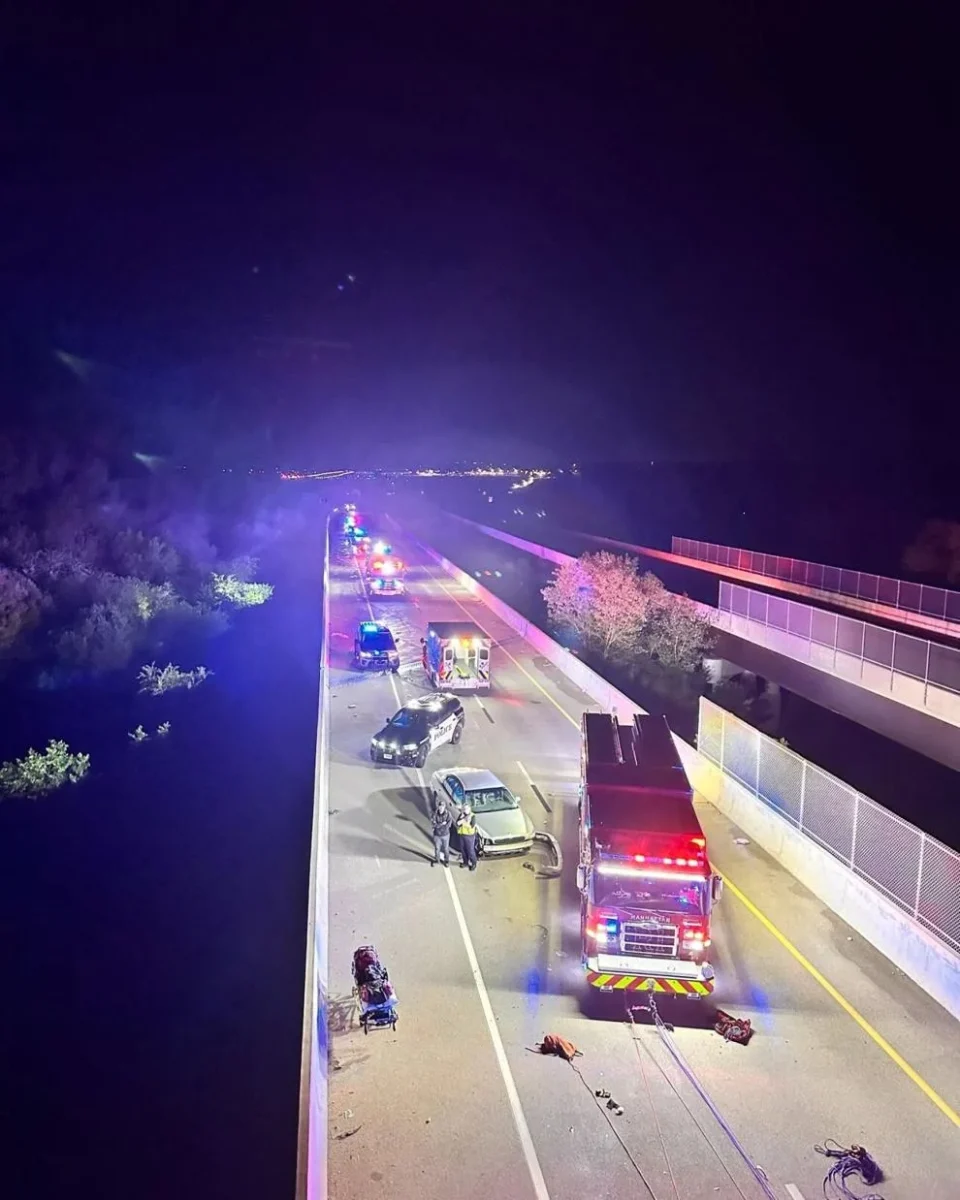










































































































Highway crashes can be sudden, violent, and life-changing. In the moments after a serious accident, confusion and stress often take over. Drivers and passengers may remember events differently, and emotions can run high. Understanding the common causes of highway crashes is important, but proving who was actually at fault requires solid evidence.
This is where police reports and other forms of evidence play a critical role. They help bring clarity to what happened, document important facts, and support insurance claims or legal cases. Below is a clear and simple explanation of how police reports and evidence are used to prove fault in highway crashes.
Why Proving Fault Matters
Fault determines who is legally responsible for a highway crash. It affects:
- Who pays for vehicle repairs?
- Who covers medical expenses?
- Whether an injured person receives compensation
- How insurance companies handle claims
Without clear proof of fault, insurance companies may deny claims or offer lower settlements. Strong evidence helps protect your rights and strengthens your case.
What Is a Police Report?
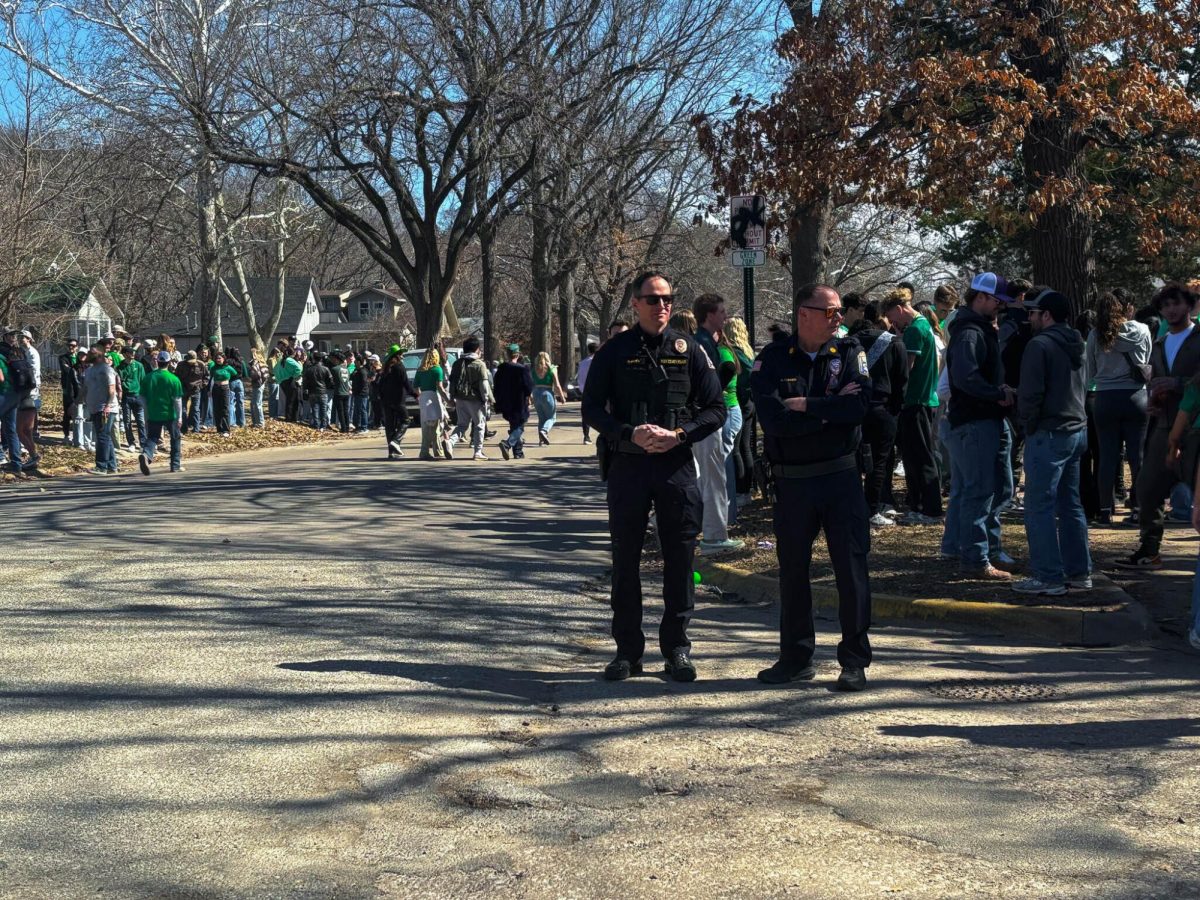
A police report is an official document created by a law enforcement officer who responds to a crash scene. While it is not always the final word on fault, it is one of the most important pieces of evidence in a highway accident case.
- Police reports typically include:
- Date, time, and location of the crash
- Names and contact details of drivers and witnesses
- Weather and road conditions
- Vehicle damage descriptions
- Statements from drivers and witnesses
- The officer’s observations and initial conclusions
Insurance companies and courts often rely heavily on these reports when reviewing fault.
How Police Reports Help Establish Fault
Officer Observations
Police officers are trained to assess accident scenes objectively. They look for skid marks, vehicle positions, debris patterns, and traffic signals. These details help determine how the crash occurred.
For example, skid marks can show whether a driver attempted to brake. Vehicle damage can indicate speed or direction of impact. These observations help support or challenge driver statements.
Statements from Drivers and Witnesses
Police reports often include summaries of what drivers and witnesses said at the scene. Independent witnesses are especially valuable because they have no personal interest in the outcome.
If multiple witnesses report that one driver was speeding or ran a red light, that information can strongly support a fault determination.
Traffic Violations and Citations
If the officer issues a citation for speeding, reckless driving, or impaired driving, this can be powerful evidence. While a citation alone does not automatically prove fault, it strongly suggests that a driver violated traffic laws.
Insurance companies often use citations as a key factor when assigning blame.
Other Types of Evidence That Support Police Reports
Police reports are important, but they are even stronger when combined with other evidence.
Photographs and Videos
Photos and videos taken at the scene can capture details that reports may miss. This includes:
- Vehicle damage
- Road conditions
- Traffic signs and signals
- Skid marks and debris
Dashcams, traffic cameras, and surveillance footage can also provide unbiased proof of how the crash happened.
Vehicle Damage and Crash Analysis

The location and severity of vehicle damage can reveal a lot about fault. Experts may analyze damage patterns to determine speed, angle of impact, and points of contact.
This type of analysis is especially helpful in high-speed highway crashes or multi-vehicle accidents.
Medical Records
Medical records can help connect injuries to the crash. They show the type and severity of injuries, which can support claims about how the accident occurred.
For example, certain injuries may be consistent with rear-end collisions or side impacts.
Cell Phone and Electronic Data
In some cases, phone records or vehicle data may be used as evidence. This can include:
- Proof of texting or phone use while driving
- Vehicle speed data from onboard systems
- GPS location information
This evidence can help prove distraction or unsafe driving behavior.
When Police Reports May Be Challenged
While police reports are valuable, they are not always perfect. Officers may arrive after the crash and rely on secondhand information. Mistakes can happen, especially in complex accidents.
If a police report contains errors, it may be challenged with:
- Additional witness testimony
- Video footage
- Expert accident reconstruction
- Updated medical evidence
Correcting inaccuracies early is important to avoid problems with insurance claims.
How Insurance Companies Use Police Reports and Evidence
Insurance adjusters use police reports as a starting point. They review the report alongside photos, statements, and other documents. Their goal is to assign fault and determine how much to pay.
If evidence clearly shows one driver caused the crash, claims are usually resolved faster. When fault is unclear or disputed, negotiations can take longer or lead to legal action.
Why Strong Evidence Makes a Difference
Highway crashes often involve high speeds and serious injuries. The financial impact can be significant. Strong evidence helps ensure:
- Fair compensation
- Accurate fault determination
- Protection against false claims
- Faster resolution of disputes
Without evidence, cases often turn into one person’s word against another’s.
Key Takeaways
- Proving fault is essential in highway crash claims and cases.
- Police reports provide an official, objective account of the accident.
- Officer observations, witness statements, and citations help establish fault.
- Photos, videos, medical records, and electronic data strengthen claims.
- Police reports can be challenged if errors are supported by evidence.
- Strong evidence leads to fairer outcomes and faster resolutions.