





















































































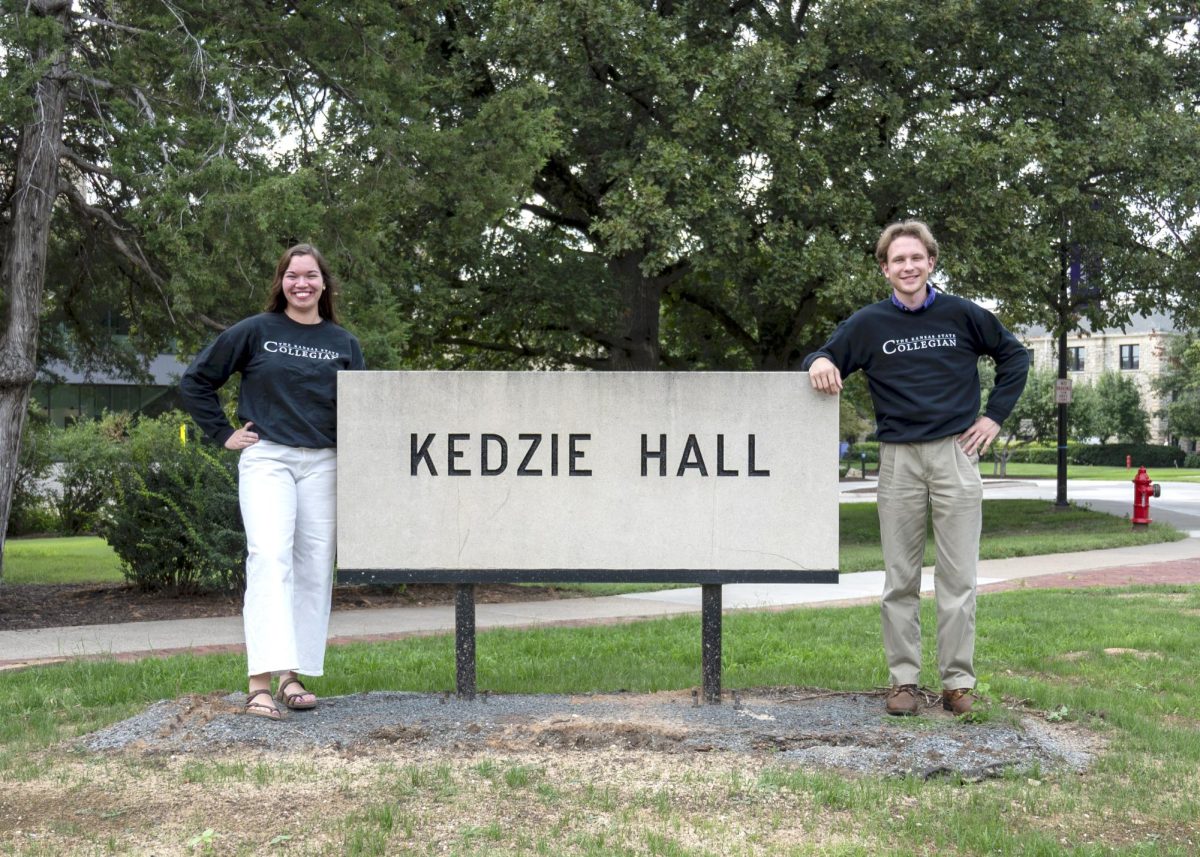




The Free Application for Federal Student Aid is now live for students planning to attend college next year. For the first time since its troubled launch two years ago, the FAFSA opened on schedule, and that matters for Kansas State University students who want to lock down their financial aid packages before spots fill up.

Although the federal government is in a shutdown, the U.S. Department of Education announced it will process Free Application for Federal Student Aid (FAFSA) applications submitted during the shutdown normally. The education department stated it will process all FAFSA applications received beginning Oct. 1 without interruption, including those received by mail, phone, or online.
According to Jill Desjean, Director of Policy Analysis for the National Association of Student Financial Aid Administrators, students should file their FAFSA as early as they can. Being early is beneficial for students, as colleges and universities operate on limited financial aid budgets. Some college financial aid programs, such as grants and work study programs, are awarded on a first-come, first-served basis. So, if you file your FAFSA early, you have a greater opportunity for financial aid options than those who wait to apply in the spring.
Kansas has an April 15, 2026, deadline for state financial aid programs, which is much earlier than the federal cutoff. Miss that date, and you lose access to state funds that could cover a big chunk of your tuition.
Students today are handling their money differently than previous generations, with some investing in stocks through phone apps while others explore digital currencies or tokens. These holdings can affect how you report your finances on aid forms, and many students don’t realize they need to list them when filling out their FAFSA.
Tokens like Maxi Doge are part of a new wave of digital assets students are encountering. Whether you hold cryptocurrency, NFTs, or other digital investments, you’ll need to report their value on your application. Bank statements and investment records now include these assets, so leaving them off could create problems later when schools verify your information.
Before you start, create an account at studentaid.gov and gather your documents, which include your Social Security number, driver’s license, and federal tax returns from last year. If your parents claim you as a dependent, they’ll need to create their own FSA ID and share their tax information, either entering it manually or using the IRS Data Retrieval Tool, which pulls the information directly and saves time while reducing errors.
Many students are making one of the largest mistakes imaginable by thinking that they won’t qualify for aid. However, whether your family is middle-class or you take a year off from school, it would be a good idea to fill out this application anyway. As president of the Student Senate for California community colleges, Ivan Hernandez stated in 2024 that the belief that you don’t qualify because your family is middle-income is the biggest misconception students have. While the federal student aid estimator can give you an early look at what you might receive, you won’t know for sure unless you apply. After all, you probably want to do your best to avoid student debt.
Another big concern is tax documents. For example, many students who are now working part-time gig jobs as independent contractors through companies such as Uber and Grubhub are receiving 1099 forms instead of W-2 forms. Additionally, students whose parents received unemployment compensation during the COVID pandemic also received a 1099-G form from their state. Be certain to request all the required documents for your application; otherwise, you may spend hours looking for nonexistent documents.
Students whose parents haven’t yet filed taxes should keep their schools updated on the situation. Many community organizations, including United Way in some areas, offer free tax help year-round, and getting those forms filed opens the door to potential cash back from the government based on income and family size. Even if you think you didn’t get enough assistance, you can always appeal the decision.

The last day to complete the Free Application for Federal Student Aid (FAFSA) is June 30, 2027. However, relying on this deadline as the best time to apply for financial aid can be risky, since state deadlines are usually earlier, and most colleges review your application as soon as they receive it. Community College students in some states may have until September 2, 2026, but Kansas State students should aim for that early spring window to maximize their options.