

























































































































When Zuckerberg told the Connect crowd the next billion users would live inside mixed reality, he wasn’t speculating. We’ve already crossed the line where thought blends with action – a click becomes desire, living rooms turn into arenas, and neural links start replacing touch itself.
The market for immersive experiences is expanding faster than any previous media format, and with it grows a new form of visibility that no longer asks for consent – it assumes it.
Biometrics Become the Ticket: Privacy as the Luxury Layer in a $50 Billion Economy
The NFL has started turning stadiums into data engines – at SoFi Stadium in Los Angeles, sensors pick up every wave and chant, feeding AR effects that pulse through the crowd, while Meta’s NFL Pro Era gives fans the view from inside a quarterback’s helmet using live motion telemetry.
It’s the same evolution unfolding across culture, from Manchester City’s metaverse stadium to Netflix’s real-world Squid Game sets where screens finally gave way to touch. Entertainment now reads the body like code – tracking micro-expressions, eye flicks, and breath rhythms to sustain immersion without pause.
Pleasure and privacy are merging into a single transaction, each breath giving rise to another data point. Analysts already price this hybrid leisure economy above $25 billion, with projections to double before 2030 as attention itself becomes the exchange rate.
Gaming caught this wave early and carried it further than anyone planned. Zwift’s cycling leagues and Russia’s phygital tournaments showed how heartbeat, muscle tension, and reaction time could flow directly into digital performance – proof that play had finally learned to measure itself.
But that precision came with a cost since the same systems that built immersion also built surveillance, teaching an entire generation that access always has a trade-off. As the line between player and dataset blurred, a new form of play began to take hold, focused on speed and control over what’s visible.
The same VR frameworks driving elite sports now power live casino arenas where avatars crowd virtual poker rooms, trading glances and strategy while chatting at the table – a new theatre of risk where anonymity is the house rule.
Once players understood attention had become the currency, a quiet rebellion came through no verification casino sites, where sign-ups end in seconds, crypto wallets replace paperwork, and payouts settle before the next hand begins. In those same seconds when balances rise, machine systems capture patterns, reactions, and thresholds – turning randomness into prediction, and play into data.
From Guesswork to Codework: The Big Mind Behind the Feed
AI spending in media and entertainment is about to jump over $167 billion by 2033, as platforms embed machine learning into how content gets offered and delivered. Developers now track behaviour, not preference – how long users stay, when they quit, and what brings them back.
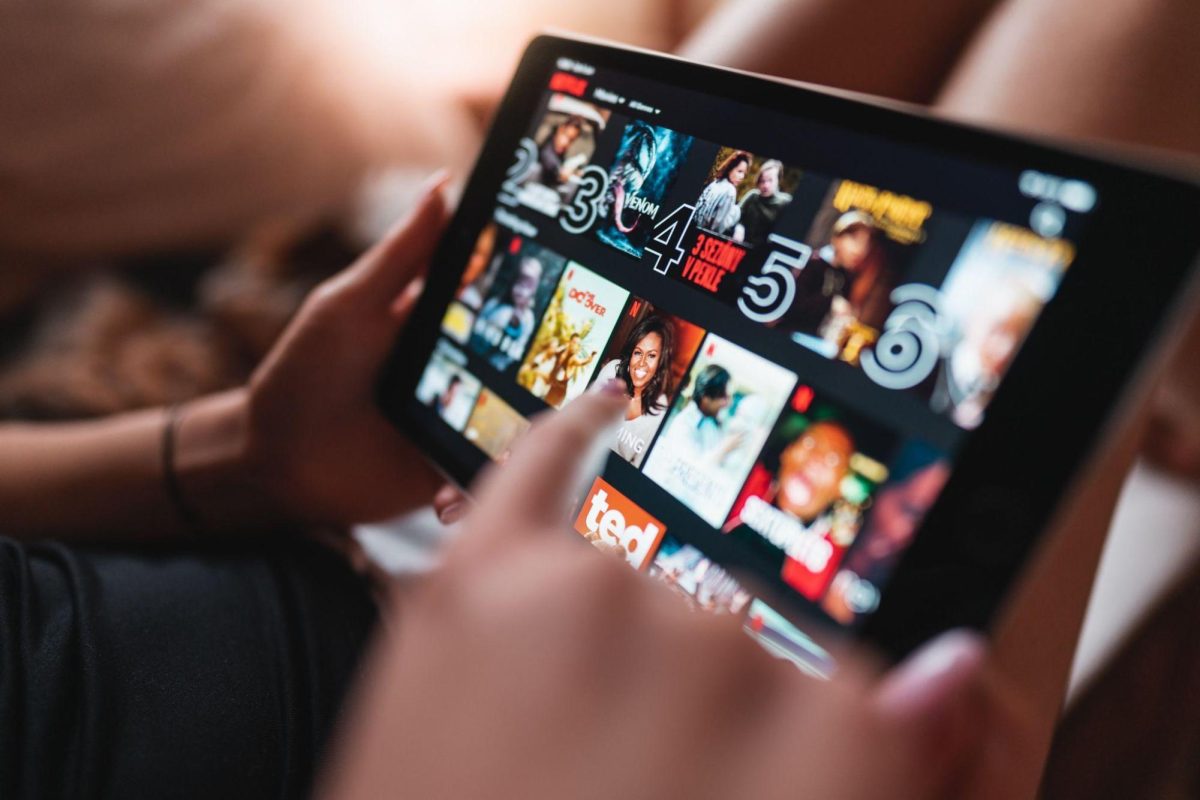
Disney’s Amplify AI engine decides which series get renewed and which get canceled, measuring viewing velocity to catch when audiences lose interest. Platforms now monitor mid-session behavior – how long you hover on a thumbnail, whether you skip through dialogue or action, even biometric feedback when devices sync up.
YouTube doesn’t just line up videos; it sequences them to keep you locked in, alternating intensity to stretch your session. What you watch now reacts to you, adjusting rhythm and tone as it learns your patience, pauses, and return points – the screen watching back to keep you there. The feed has stopped predicting taste and started designing it.
The End of Forced Fun
Entertainment is moving into a territory where sound, pace, and timing are decided by algorithms reading your behavior. Streaming platforms now read reactions frame by frame, adjusting pacing in real time to stop drop-off.
Game developers use biometrics – sensors in headsets read pulse and reflex timing, shaping difficulty and reward cycles as the body responds. Fitness apps do something similar, reading heart rate against movement data from wearables to decide when to push harder or ease off.
As nightlife shrinks across major cities, DJs now play to hybrid crowds – people join through headsets, with cameras and sensors feeding visuals that shift with movement. It feels alive, yet the spontaneity fades as the set builds itself from feedback.
All that lived on instinct has become data rehearsal, the night replaying itself in a loop that learns how to keep the crowd in motion one cycle longer each time. We built machines to keep us entertained, and they learned how to keep us.