




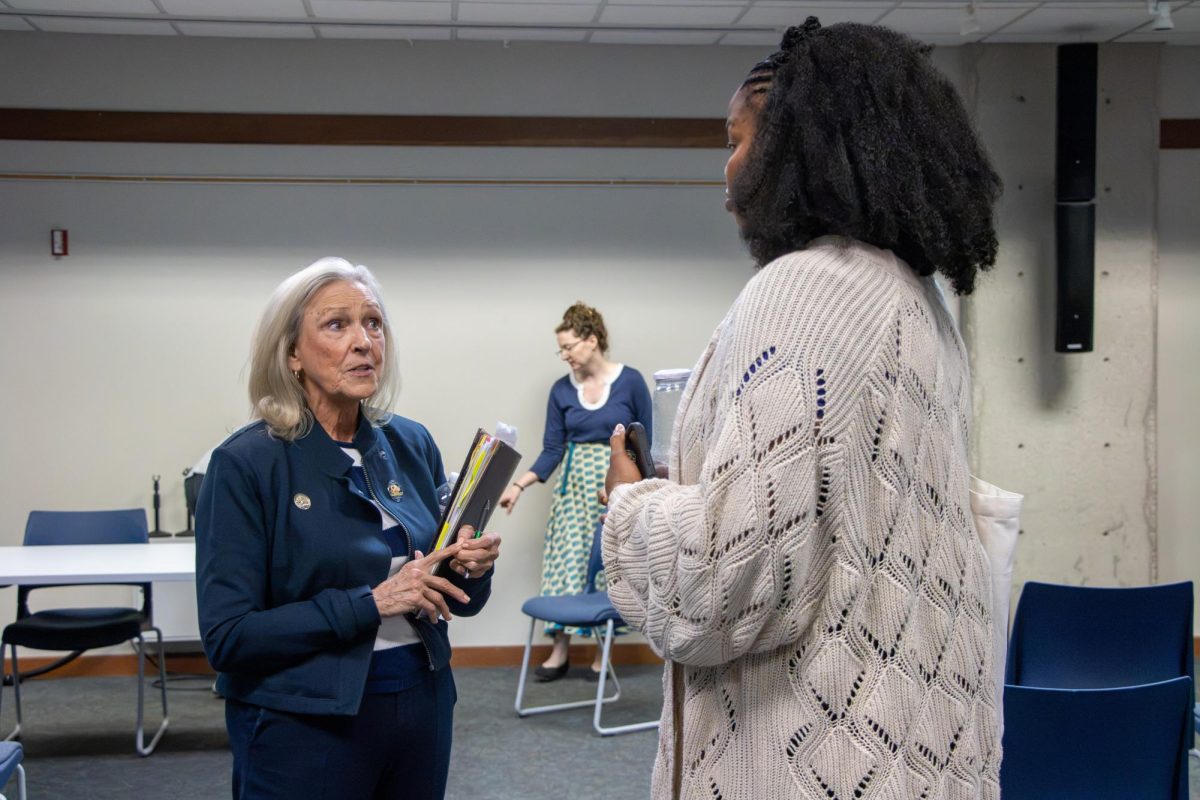
































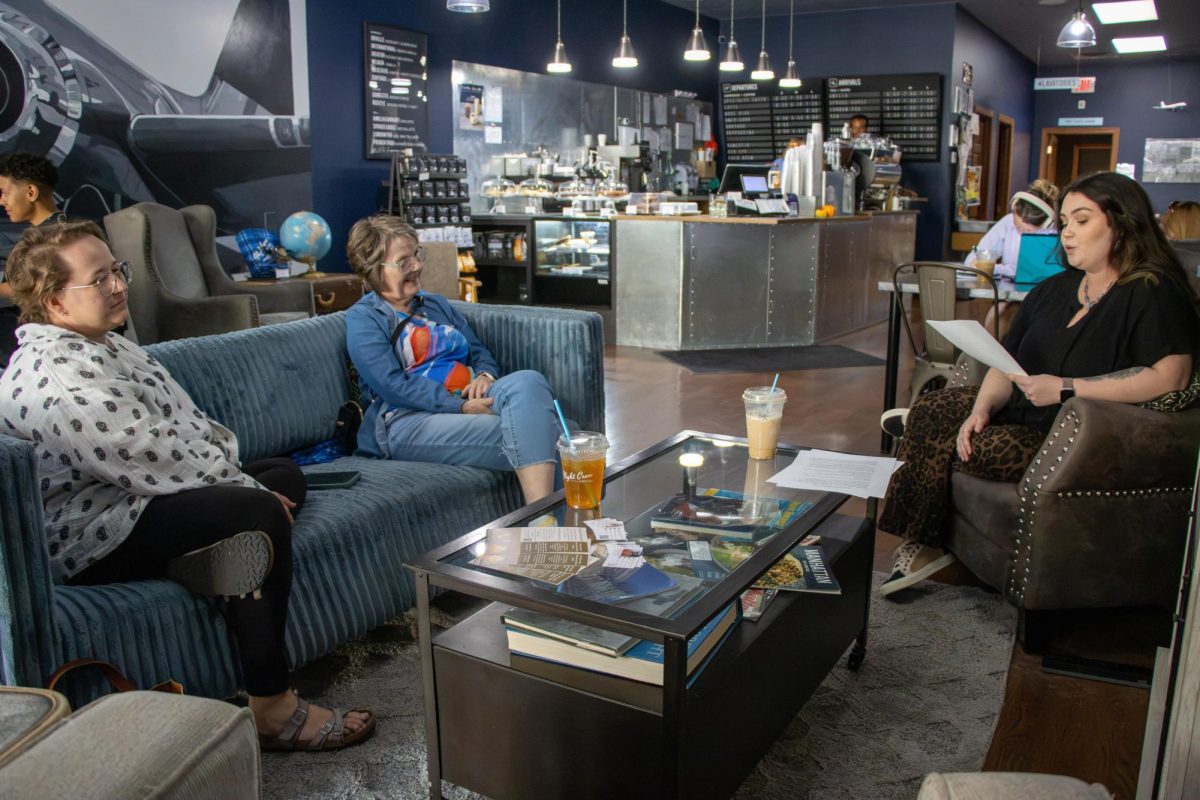
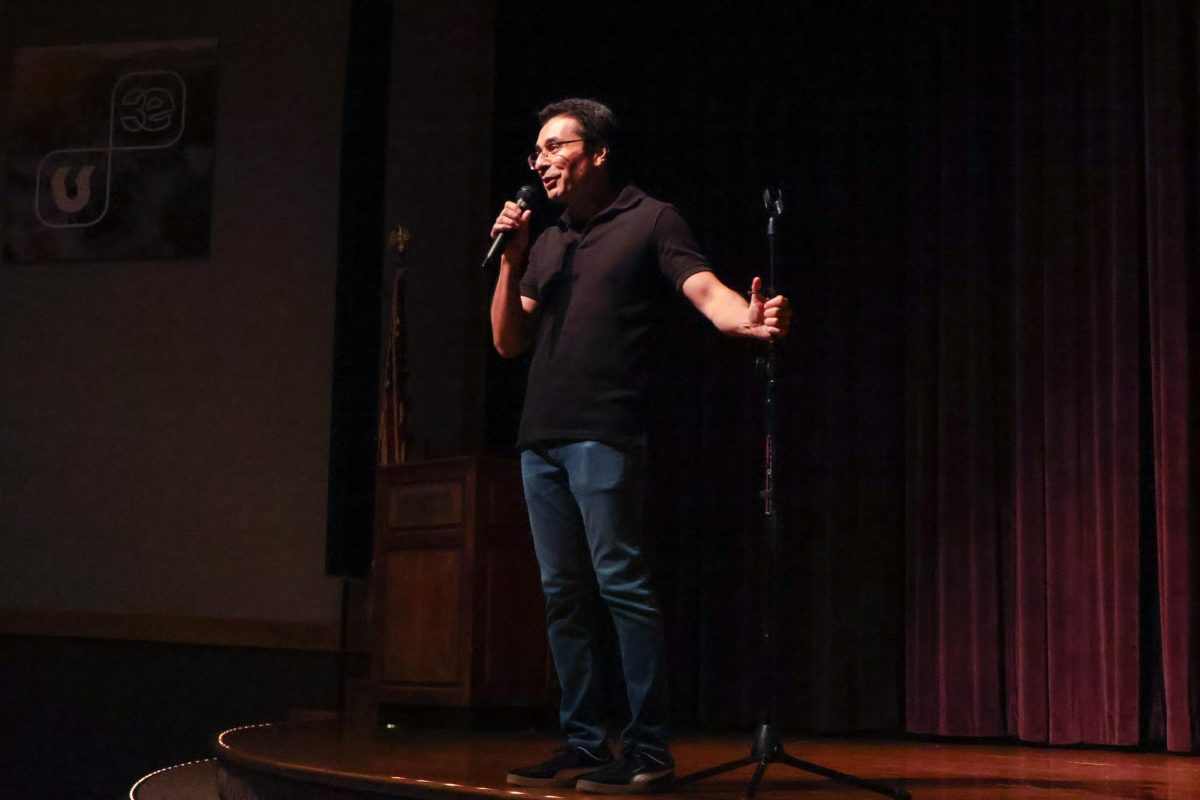




































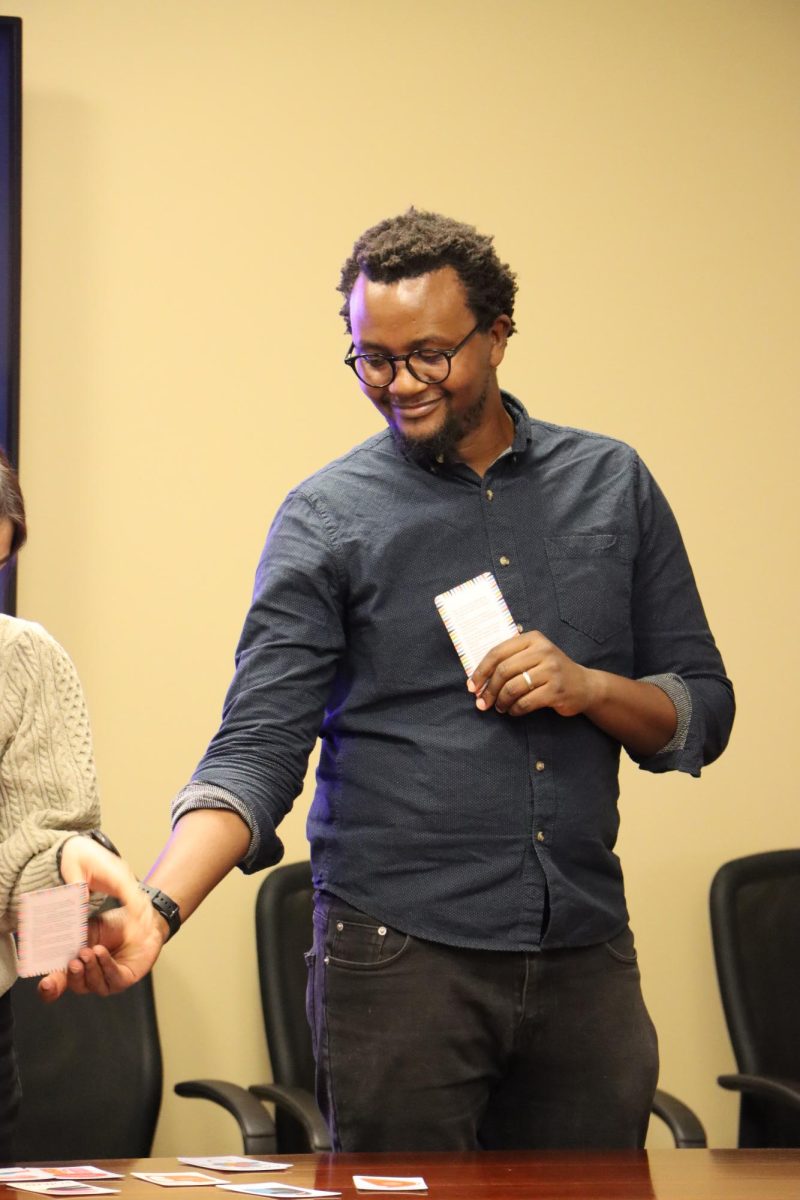
The Staley School of Leadership offered a workshop on Feb. 23 as part of the Leading Change series for graduate students, focusing on strengths-based leadership and organization adaptability.
According to the Graduate School’s website, the workshop taught students to identify, cultivate and apply strengths to foster adaptability and resilience in the face of uncertainty.
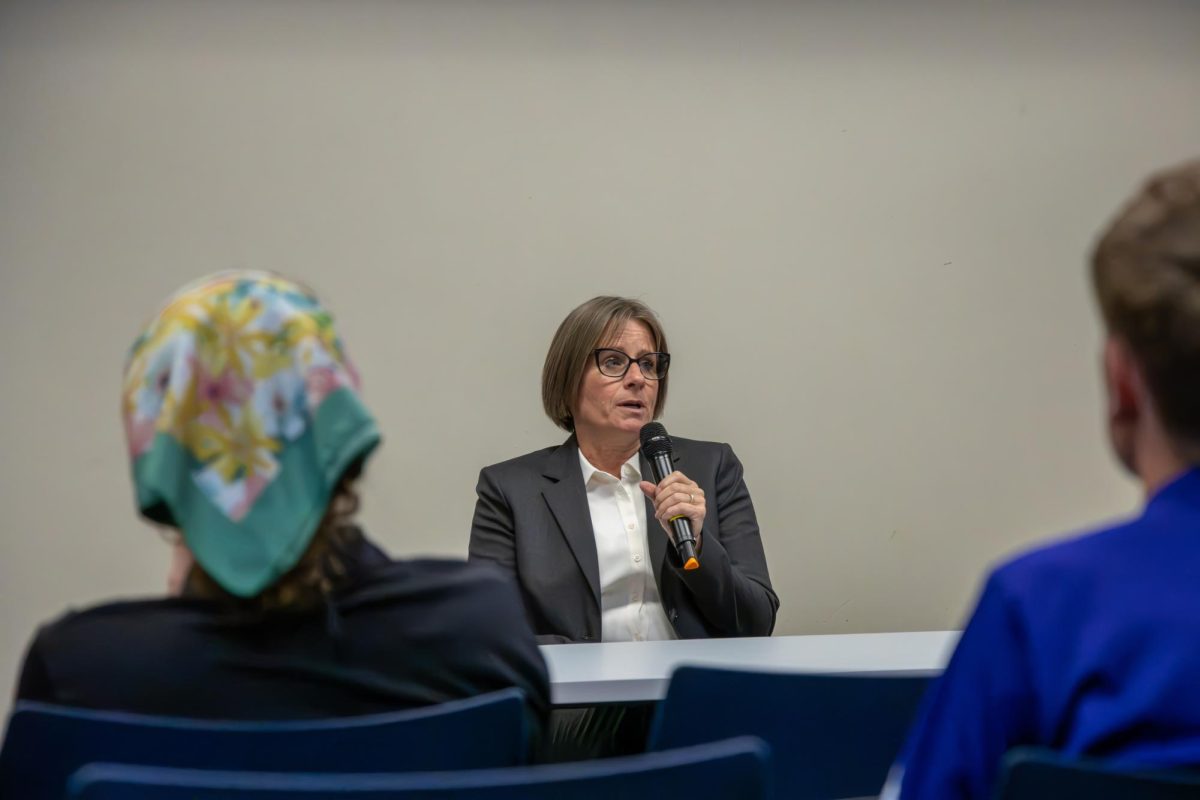
Megan Miller, staff member of the Graduate School, collaborates with the Staley School for events like these. The Leading Change Workshop series supports academic success and career readiness.
“The workshops are open to graduate students in all disciplines,” Miller said. “They also provide an opportunity for graduate students to develop community across disciplines.”
Miller has collaborated with the Staley School and the Grad Edge Leadership Development Program since her time at K-State began in 2014. The Grad Edge program welcomes master’s and doctoral students from any discipline, allowing these students to connect through the same appeal of graduate school.
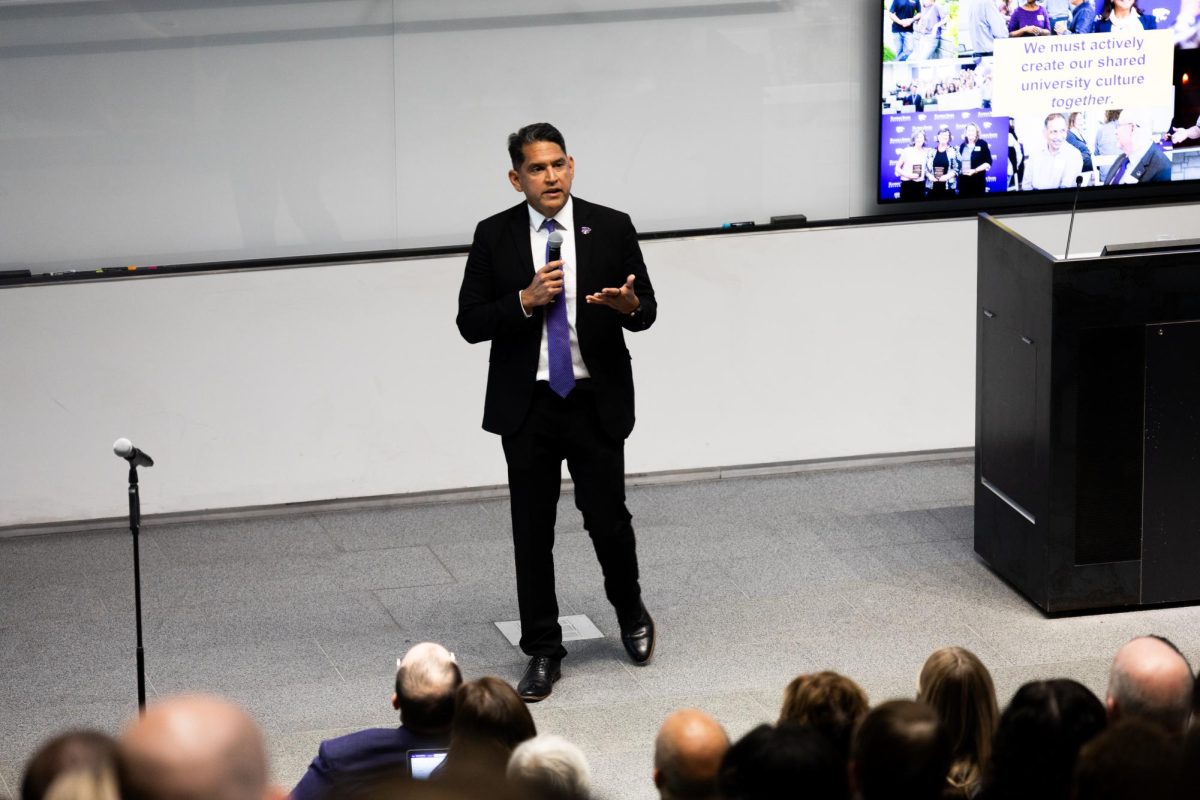
Mac Benavides, assistant professor at the Staley School, has been responsible for the curriculum of the workshops over the past four years.
“The series is designed to provide graduate students with the space to connect with peers and learn about leadership in groups, teams and communities,” Benavides said. “Today’s session is the second of six that are taking place throughout the spring semester, and it was facilitated by Dr. Trisha Gott, associate dean of the Staley School of Leadership and Macharia Gatundu, master’s student in sociology.”
Through this workshop, Benavides believes students were able to look at organizations as dynamic, living systems consisting of constantly moving and changing parts.
“Within this context, leadership is messy and unpredictable,” he said. “By learning to identify, cultivate and apply our personal and team strengths, leaders are able to foster adaptability and resilience in the face of uncertainty. This session promotes a human-centered approach to leading teams and organizations to address emerging needs and circumstances.”
These sessions are intentionally designed to foster relationships across disciplinary boundaries, allowing students to apply their learning to different contexts.
“The leadership framing we explore through these workshops prioritizes human relationships, systems thinking and boundary-spanning, which are powerful non-technical skills that complement the high-quality education K-State graduate programs offer,” Benavides said.