








































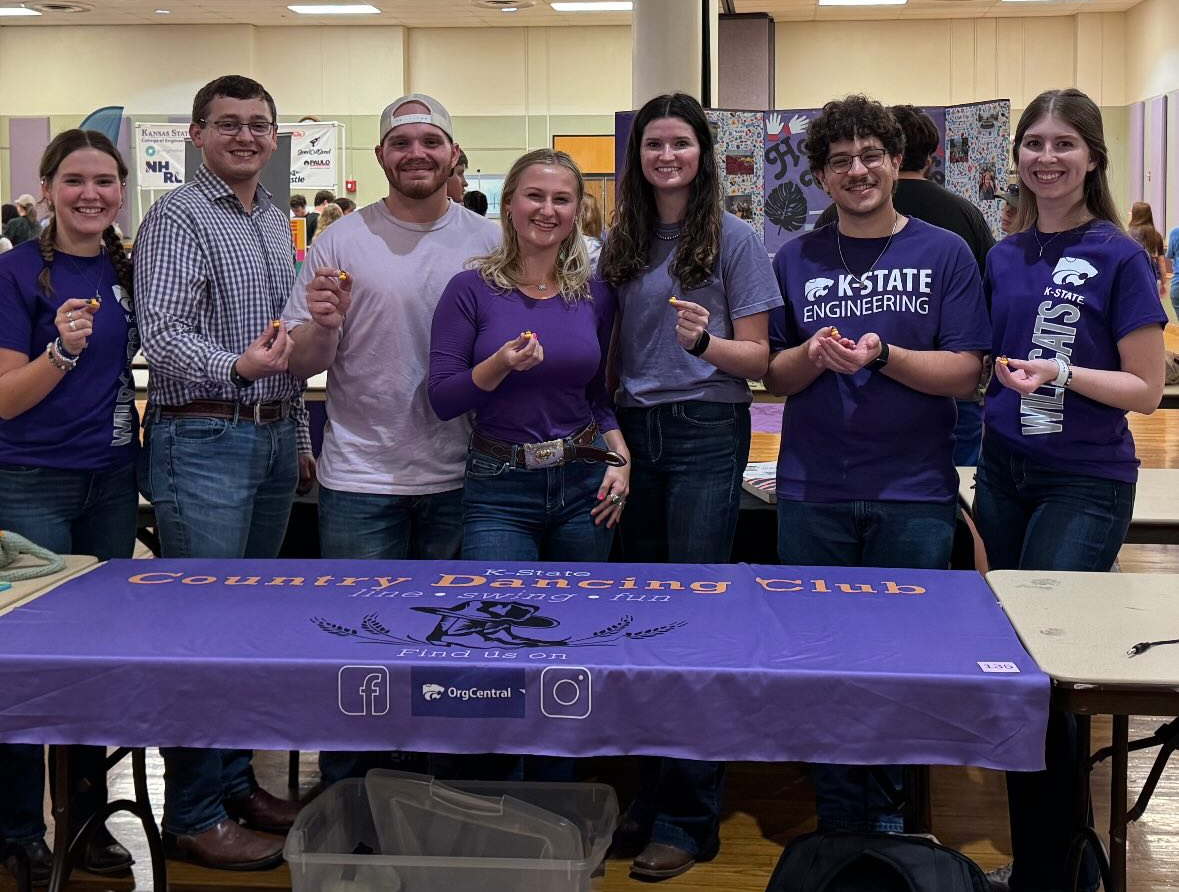




























Watching “Ringu” (1998) on Halloween with the Wildcat Film Appreciation Society was the perfect way to experience one of the most iconic horror movies ever made. This influential movie created a shift in the horror genre, causing Hollywood to move away from traditional slasher films and embrace psychological horror.
The film begins with a journalist named Reiko Asakawa investigating the mysterious deaths of several teenagers, including her niece, Tomoko. She learns from a group of teens at a funeral that all the recent deaths were linked to a cursed tape. The curse works by playing a video for the victim, who then receives a phone call from a cabin resort. The victim is fated to die in one week.
In her pursuit, Reiko finds the cabin where the teenagers previously stayed and discovers an unmarked tape. When she plays it, the video plays eerie scenes of a woman brushing her hair, a man pointing at the ground and a mysterious well. Shortly after viewing, she receives a haunting phone call and realizes that she, too, has been cursed.
The next day, Reiko creates a copy of the tape and seeks help from her psychic ex-husband, Ryuji Takayama, to analyze it and assist her in breaking the curse. They recognize the words on screen are from an Oshima dialect, prompting them to travel by boat to Oshima in the morning.
Things escalate when Reiko wakes up in the night before their trip to find her son watching the terrifying tape, claiming Tomoko told him to. In Oshima, Reiko and Ryuji meet with locals to learn more about the people in the tape.
They find out the woman in the tape was a psychic woman named Shizuko involved in an affair with a university professor, Dr. Ikuma, before committing suicide. The two receive a vision that their daughter, Sadako, also had psychic abilities to kill people instantly. Another vision tells them that Dr. Ikuma trapped Sadako in a well.
With only a day left before Reiko’s impending death, the two rush to the cabin to find the well seen in the tape. They conclude that Sadako’s rage against Dr. Ikuma is the source of the curse, and to lift the curse, they must find her body.
The two find the well underneath the cabin. Frantically, the two fill buckets of dirty water from the well to dump out. Just before time runs out, Reiko discovers Sadako’s skeleton. Since Reiko survived the seven days, the two believe the curse is lifted.
However, the next day, Ryuji’s TV strangely turns on, replaying the cursed tape. In the part of the video where the well is shown, Sadako is seen emerging from it, creeping closer to the camera before she comes out of the television. Reiko comes to the horrific realization that the only way to lift the curse is to share the tape with someone else. The curse continues in a never-ending cycle.
Instead of relying on jump scares, “Ringu” uses sharp sounds and dark scenery to evoke anxiety in viewers.
Zander McKivergan, a freshman environmental conservation major, offered insight into the film’s sound effects.
“As someone with a background in music, I really appreciate the music and the sound itself,” McKivergan said. “It makes everything so surreal and impactful. I recognized a violin bow string scratched on a symbol or xylophone to create this eerie, almost wailing sound.”
Even two decades after its release, “Ringu” effectively creates a chilling atmosphere for its audience. The movie created a strong influence on Western horror, most notably from its Western adaptation, “The Ring” (2002). I felt drawn in by the movie’s slow-building dread and haunting sound effects. For its lasting impact and incredible execution, “Ringu” deserves 5 out of 5 stars.